
Last updated 3/26/26.
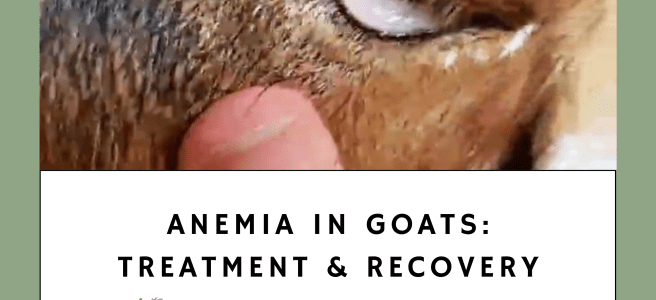
Oh no! A routine check of FAMACHA (eyelid color) turns into an emergency situation when you pull the lid down and it reveals a pale, unhealthy color; or worse, the lid is white! What should you do?
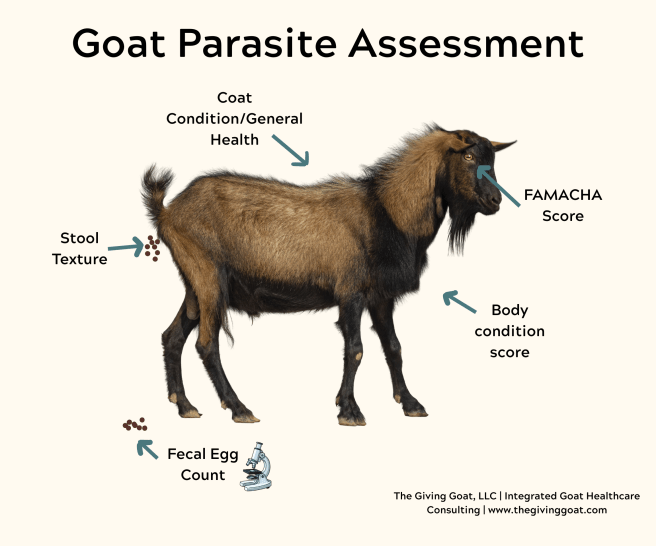
FAMACHA scoring is the scoring of the color of inner eyelids to gauge the worm-load and health of a goat. Bright pink and red will tell you that your goat is healthy and not anemic, and pale pink or white will tell you that your goat is anemic. It is important to regularly score the eyelids of your goats. I recommend checking them weekly. Though FAMACHA can fluctuate, and isn’t always directly correlated to FEC, it is a good pretty indicator of a problem when pale. That being said, it should not be the sole diagnostic performed. Fecal egg counts, body condition scoring, and observing stool all matter.
I highly recommend you watch this helpful video made by the University of Rhode Island. In the video, the proper “cover, push, pull, pop” method is demonstrated to reveal the true color of the mucus membranes. As a Certified FAMACHA Instructor, please reach out if you have any questions regarding the process or scores.
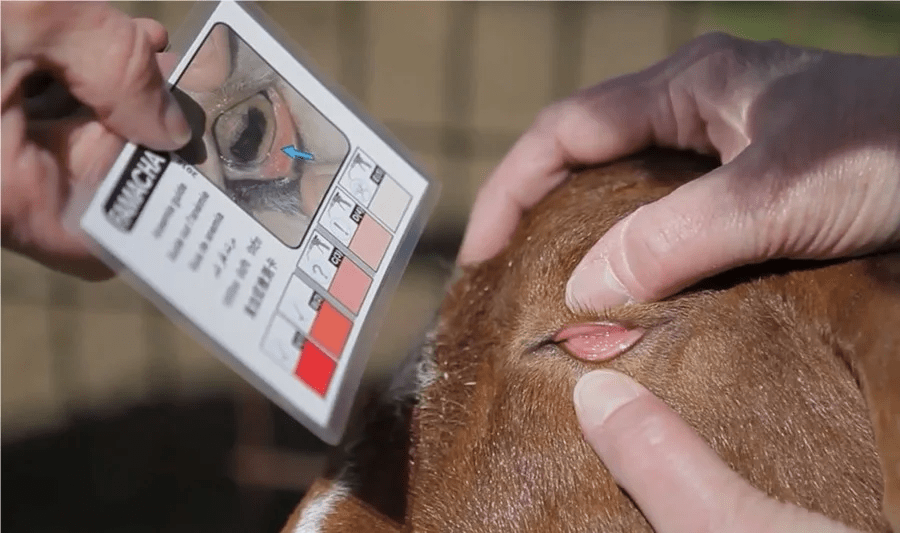
Photo Curtsey of URI.
A pale or white FAMACHA likely means that your goat has a severe parasitic infection (usually Barberpole Worm is the culprit of poor FAMACHA scores). It is important to note that you should be focusing on treating the cause, not just the symptom.
First, if at all possible, get a fecal test done prior to dosing any dewormers so that you can calculate FECR (fecal egg count reduction rate) with before and after fecals, to check the efficacy of what you used. If you have no way of getting a timely fecal done, and the FAMACHA score is white or close to white, then collect the stool and mail it to a lab (so you still have a pre-treatment number), but do not wait until the results come back to treat for the parasites. As always, you can access my free download on doing your own fecals in goats to avoid waiting in an emergency. Click HERE to read the article and download your guide!
Presuming that you are handling the cause (which is parasitic for most cases of anemia), then you can manage the symptoms.
ANEMIA PROTCOL:
*click for full resolution image*
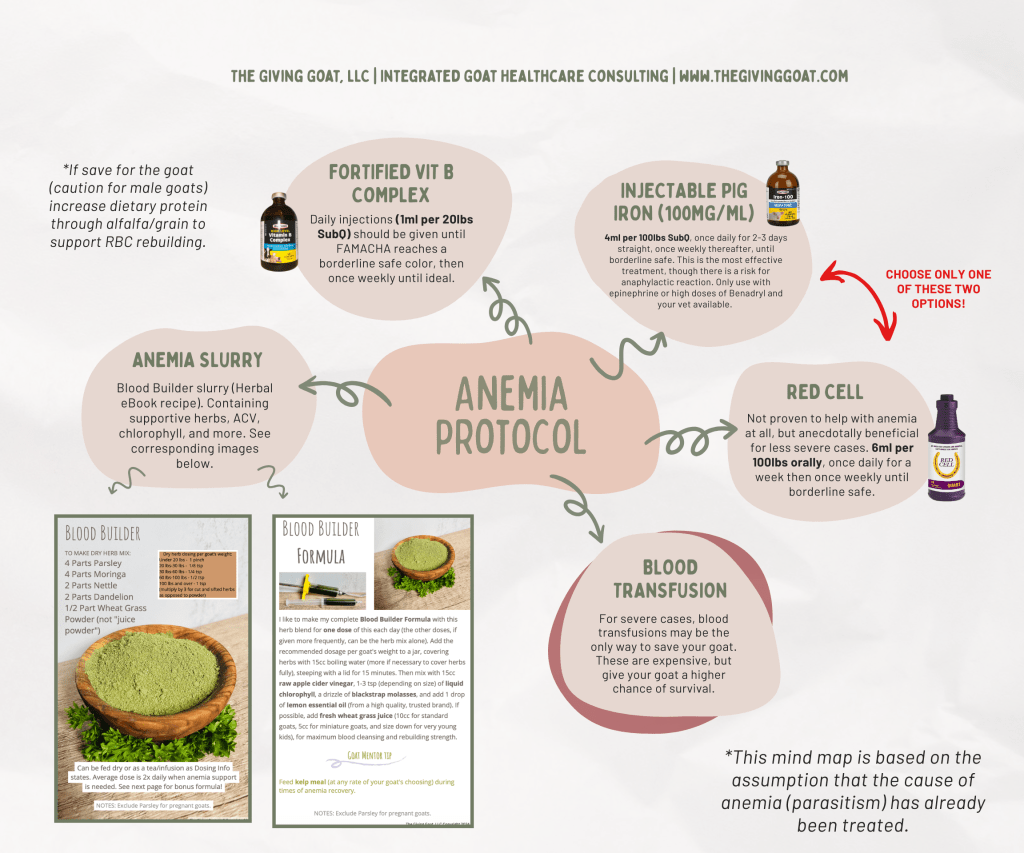
Fortified Vitamin B Complex Injections:
Daily injections (1ml per 20lbs SubQ) should be given until FAMACHA reaches a borderline safe color, then once weekly until ideal.
Injectable Pig Iron OR Red Cell Liquid for Horses:
Pig Iron is the most effective option for treating anemia. It is given at 4 mL per 100 lbs SubQ, once daily for 2–3 consecutive days, then once weekly until the animal reaches a borderline safe level. However, there is a risk of anaphylactic reaction, so it should only be used with epinephrine or high doses of Benadryl on hand and veterinary support available.
Red Cell, on the other hand, is not proven to effectively treat anemia, but is often reported to provide anecdotal benefit in mild or early cases. It is administered at 6 mL per 100 lbs orally, once daily for one week, then once weekly until levels improve.
In general, Pig Iron is the preferred treatment for clinically significant anemia, while Red Cell may be considered a supportive option in less severe cases.
Anemia Slurry:
The anemia slurry utilizes a powdered herbal blend (DIY!) combined with a few helpful items. This comes directly from my eBook, Herbal Remedies for Goats.
The Blood Builder powdered herbal blend contains parsley, moringa, nettle, dandelion, and wheat grass powder. This herbal blend can be mixed utilizing the following parts (volume based, not weight based. Use a measured scoop to equal 1 part, and measure all herbs in powder form only [an electric spice grinder can come in handy] to avoid volume disparities).
This is then brewed and combined with apple cider vinegar, liquid chlorophyll, molasses, lemon essential oil, and, if possible, fresh wheat grass juice.
To view the complete recipe for free, click HERE.
Blood Transfusion:
For severe cases, blood transfusions may be the only way to save your goat. These are expensive, but give your goat a higher chance of survival. Blood transfusions must be done by your veterinarian.
Additional Supportive Care:
If the diet allows for it (be cautious with male goats), increase dietary protein with alfalfa/grain to support weight gain and red blood cell production. Always provide rumen support in times of illness or stress. Daily probiotics are a good idea!
If the goat is entirely down and struggling to eat, then a super nutrition slurry will be required. This slurry can contain soaked timothy or alfalfa hay pellets (again, timothy is a safer choice for male goats, but alfalfa is higher in protein), leafy greens such as romaine lettuce or dark greens in moderation, carrots, celery, applesauce, banana, a small amount of pumpkin puree, a spoonful of yogurt, an oz or so of dark beer, honey or molasses, a clove of raw garlic, and a pinch of cayenne pepper powder, all blended with electrolyte solution to liquify. Dyne High Calorie Liquid can be a good addition for goats who are down long-term.
LAST NOTE: There are other reasons (such as certain mineral deficiencies, or other parasites) for anemia that are NOT Barberpole worm—and that is why fecal tests are very important!
Email: thegivinggoat@gmail.com
Instagram via Direct Messaging: @goatlifegoodlife
Facebook Messenger: The Giving Goat, LLC
DISCLAIMER: I am not a veterinarian or licensed professional. The information shared here is based solely on my personal experience and is intended for educational and informational purposes only. It should not be considered veterinary advice, medical guidance, or a substitute for professional consultation. Nothing provided here is intended to diagnose, treat, or direct the care of any animal. Any decisions regarding your goats’ health, management, or treatment should be made in consultation with a licensed veterinarian. Goat care can vary widely based on individual animals, environments, and management styles. While I share what has worked for me, these perspectives may not be applicable to every situation. I encourage respectful, constructive discussion and recognize that each owner ultimately makes decisions based on what is best for their own herd.

 The Giving Goat, LLC
Finally! A blog post that is actually helpful!! Most are just vague “this is what I do” with no dosages, and wrong information that new goat owners will soak in, but you give detail!! I know you from TGS, and even there, you give good, detailed info for newbies!! Many people could learn so much from you me posts in the giving goat!!
LikeLike
Thank you!! Many of us have to be careful about putting out “dosages” as these products are not all confirmed safe for goat use – and of course, I am not a veterinarian! But I feel that good information, on HOW to use certain things, is incredibly important – so with lots of encouragement to consult a vet for dosage information, I still put out what I do personally so others may learn from it.
LikeLike
I am very happy to read this. This is the kind of manual that needs to be given and not the accidental misinformation that’s at the other blogs. Appreciate your sharing this greatest doc.
LikeLike
Hey there! I could have sworn I’ve been to this blog before but after reading through some of the post I realized it’s new to me. Anyways, I’m definitely glad I found it and I’ll be bookmarking and checking back frequently!
LikeLike
how much b complex shots to give my 5 day o0od baby goat how often and how long
LikeLike
Hello. A 5 day old baby goat is too young to be suffering from parasite challenges, so please investigate the cause of anemia if that is what is being noted. I am happy to consult privately. With that being said, I give very small kids 1/2cc of B Complex SubQ. The frequency and duration depends but no less than once a day minimum and you can give it for as many days necessary. Once again, please email me to thegivinggoat@gmail.com because I’d like to ensure I am advising for the individual situation properly.
LikeLike
Thank you for all this information for a newbie!! It has been so helpful! Another question is what can I feed my intact bucks to help get weight back on. They are Nigerian dwarfs, intact. I don’t want to feed something to cause more issues like urinary stones. But they need some weight back. Thank you
LikeLike
Hi Angela,
Please contact me via email to thegivinggoat@gmail.com for a personal consult. I cannot get enough information through comments to be able to advise on a safe diet for your boys, but I am more than happy to discuss it further and help them thrive!
~ Hannah
LikeLike